Owning a home in our harbour city is a great achievement, yet local termites can be a real worry. These silent timber pests work every day and often cause massive damage to our properties before we even notice them. Keeping our houses safe from these invaders is absolutely essential for every family.
When searching for reliable Pest Control Sydney services, we usually find two main ways to protect our land. We are talking about termite baiting systems and chemical liquid barriers. Both options offer strong protection, but they work in very different ways depending on your specific block of land.
We want to help you understand which method is the best fit for your unique situation. This guide compares both systems to ensure we help you make an informed decision for your home. By looking at the facts, we can find the right Pest Control Sydney strategy to keep your investment safe for years to come.
Main Points for Sydney Homeowners
- Understand the basic differences between baiting systems and liquid barriers.
- Identify which method suits the specific soil type around your property.
- Compare the long-term costs and maintenance needs for each termite solution.
- Learn how environmental factors in our local area impact your choice.
- Ensure your family home stays structurally sound and free from timber pests.
- Discover the best way to monitor for termite activity throughout the year.
Understanding Termite Behavior
Termites pose a significant threat to homes and structures in Sydney, making it crucial to understand their behavior for effective pest control. As we explore the world of termites, it becomes clear that their presence is not just a nuisance but a significant risk to the integrity of buildings.
Why Termites are a Problem in Sydney
Sydney’s climate, characterized by warm temperatures and humidity, creates an ideal environment for termite activity. The city’s proximity to natural habitats and the prevalence of wooden structures contribute to the termite problem. Termites can cause significant damage to homes and commercial properties, leading to costly repairs if left unchecked.
Key issues associated with termite infestations in Sydney include:
- Structural damage to buildings
- Compromised integrity of wooden structures
- Potential for significant financial loss due to repair costs
The Life Cycle of Termites
Understanding the life cycle of termites is essential for effective pest control. Termites live in colonies with a complex social hierarchy. The colony is typically made up of a king and queen, workers, soldiers, and alates (winged termites).
The life cycle includes:
- The king and queen termite establish a new colony
- Workers forage for food, care for young, and maintain the colony
- Soldiers defend the colony from predators
- Alates swarm to establish new colonies
Signs of a Termite Infestation
Identifying a termite infestation early is critical to preventing extensive damage. Common signs include:
- Discarded wings near windows and doors
- Mud tubes on walls and floors
- Damaged or hollow-sounding wood
- Feces or frass that resembles sawdust or coffee grounds
Recognizing these signs early can help homeowners and property managers in Sydney take prompt action to mitigate termite damage. Effective Sydney Termite Control services can provide the necessary expertise to manage termite infestations.
What is Termite Baiting?
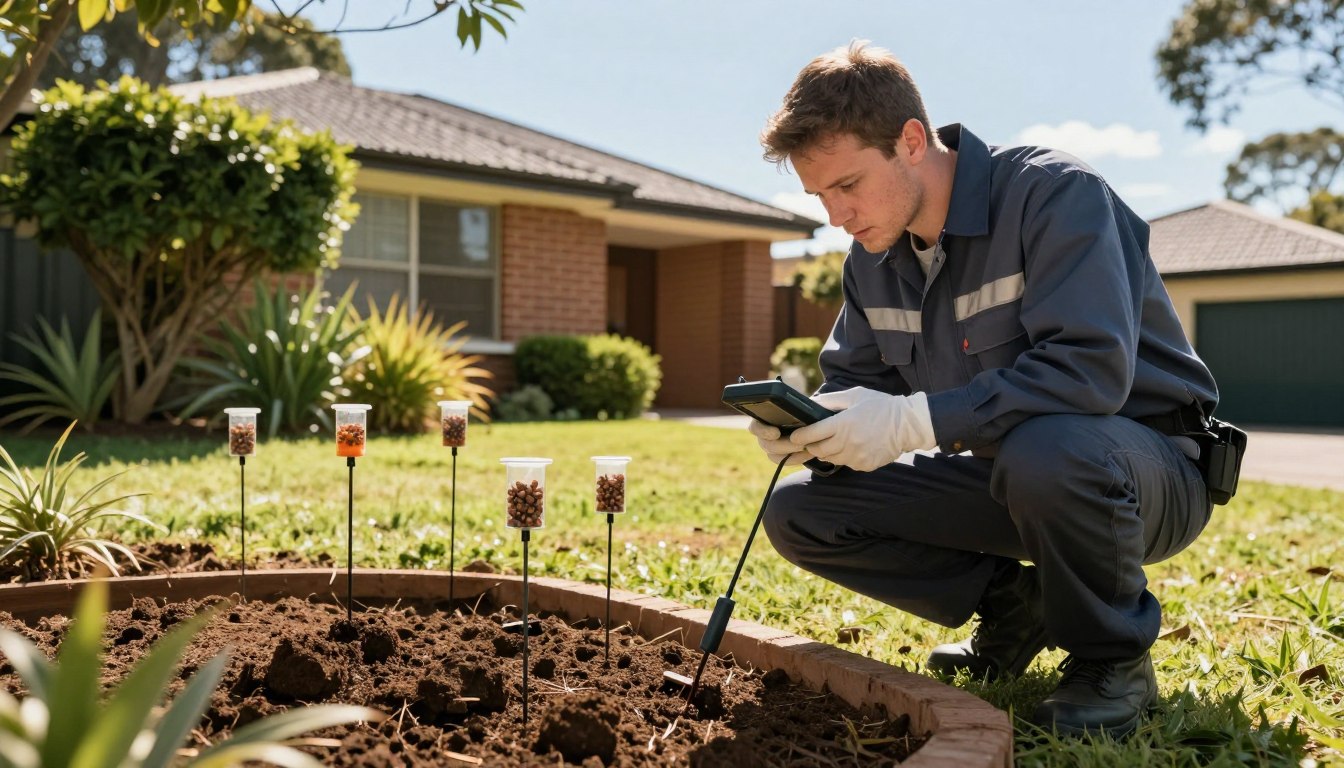
Termite baiting involves strategically placing bait stations around a property to lure and eliminate termites. This method is designed to target the termite colony directly, potentially eliminating the queen and thus the entire colony.
How the Baiting Process Works
The baiting process begins with the installation of bait stations around the perimeter of the property. These stations contain a cellulose-based material that attracts termites. Once termites are feeding on the bait, a slow-acting toxicant is introduced, which is then carried back to the colony, ultimately killing the queen and the rest of the colony.
Key steps in the baiting process include:
- Installation of bait stations
- Monitoring for termite activity
- Replacing baits as necessary
- Continuous monitoring until the colony is eliminated
Types of Bait Systems Available
There are various bait systems available, including above-ground and in-ground stations. Above-ground stations are used when termite activity is visible, while in-ground stations are installed below the soil surface to intercept termites before they reach the structure.
Some common types of bait systems include:
- Above-ground bait stations for visible termite activity
- In-ground bait stations for proactive termite control
- Advanced baiting systems with integrated monitoring and baiting technology
Pros and Cons of Baiting
Baiting has several advantages, including its potential to eliminate the entire termite colony and its relatively low environmental impact compared to chemical barriers. However, it also has some drawbacks, such as the time it takes to be effective and the need for continuous monitoring.
Advantages of termite baiting include:
- Potential to eliminate the entire colony
- Lower environmental impact
- Less invasive than some other methods
Disadvantages include:
- Time-consuming process
- Requires continuous monitoring
- May not be effective for large or complex infestations
For Professional Pest Control Sydney services, it’s essential to consult with experts who can assess the situation and recommend the most effective termite control method.
What is a Chemical Barrier?
A chemical barrier is a termite control strategy that involves creating a chemical-treated zone around a property to deter termites. This method is widely used by Pest Exterminators Sydney to protect homes and buildings from termite damage.
How Chemical Barriers Are Applied
Chemical barriers are applied by trenching around the perimeter of a property and treating the soil with termiticide. The trench is then filled with the treated soil, creating a barrier that termites cannot cross. In some cases, the termiticide is also injected into the soil beneath the building.
We ensure that the application is done carefully to cover all areas where termites might enter, including around pipes and other structural elements that penetrate the soil.

Different Chemical Solutions Used
Various chemical solutions are used for creating chemical barriers, including:
- Pyrethroids
- Organophosphates
- Neonicotinoids
Each of these chemicals has its own mode of action and duration of effectiveness. Pyrethroids, for example, are known for their rapid action against termites.
Advantages and Disadvantages
The advantages of chemical barriers include their effectiveness in preventing termite infestations and their relatively long-lasting protection. However, there are also potential drawbacks to consider, such as the potential health and environmental risks associated with the chemicals used.
We weigh these factors carefully when recommending termite control Sydney methods to our clients, ensuring that they are fully informed about the benefits and risks.
Comparing Effectiveness of Both Methods
In the quest to protect homes from termite damage, comparing the efficacy of different control methods is essential. As homeowners in Sydney, we need to understand how termite baiting and chemical barriers stack up against each other in terms of effectiveness.
When evaluating the effectiveness of termite control methods, several factors come into play. We will examine the success rates of both baiting and chemical barriers, the factors that influence their effectiveness, and the duration of protection they offer.
Success Rates of Baiting vs. Chemical Barriers
Termite baiting and chemical barriers have different success rates, influenced by various factors including the type of termite, the extent of infestation, and the quality of the treatment application. Studies have shown that both methods can be effective, but their success rates vary. For instance, a Top-rated Pest Control Company Sydney might report different success rates for baiting and chemical barriers based on their experience and data.
Chemical barriers are often considered to have a high initial success rate due to their immediate action against termites. However, their effectiveness can wane over time if not properly maintained. On the other hand, termite baiting may take longer to show results but can be highly effective in eliminating the termite colony.
Factors Influencing Effectiveness
Several factors can influence the effectiveness of both termite baiting and chemical barriers. These include:
- The type and severity of the termite infestation
- The quality of the treatment application
- Environmental conditions such as soil type and moisture levels
- The presence of non-target species that might be affected by the treatment
Understanding these factors is crucial for choosing the most effective termite control method for your property.
Duration of Protection
The duration of protection offered by termite control methods is another critical consideration. Chemical barriers typically require reapplication every few years to maintain their effectiveness. In contrast, termite baiting systems can provide ongoing protection as long as the bait stations are regularly monitored and maintained.
Ultimately, the choice between termite baiting and chemical barriers depends on your specific needs and preferences. By considering the success rates, factors influencing effectiveness, and duration of protection, you can make an informed decision that best protects your property from termite damage.
Cost Analysis of Termite Control Options
When considering termite control options in Sydney, understanding the cost implications is crucial for homeowners. Both termite baiting and chemical barriers have different cost structures that need to be evaluated to determine the most Affordable Pest Controllers Sydney solution.
The cost of termite control is not just about the initial installation; it’s also about the long-term expenses associated with maintaining the system. Homeowners need to consider both aspects to make an informed decision that fits their budget.
Initial Installation Costs
The initial installation costs for termite baiting and chemical barriers can vary significantly. Termite baiting systems require the installation of bait stations around the perimeter of the property, which can be more labor-intensive and thus more expensive upfront.
In contrast, chemical barriers involve applying a chemical treatment around and under the structure, which may have a lower initial cost compared to baiting systems but can vary depending on the size of the property and the type of chemicals used.
Long-term Maintenance and Monitoring Expenses
Long-term maintenance and monitoring expenses are critical factors in the overall cost analysis. Termite baiting systems require regular monitoring and periodic replacement of baits, which can incur additional costs over time.
Chemical barriers, on the other hand, may require reapplication after a certain period, depending on the type of chemical used and environmental factors. The cost of reapplication can add up over the years, making it essential to factor these expenses into the overall budget.
By understanding both the initial and long-term costs associated with termite baiting and chemical barriers, homeowners in Sydney can make a more informed decision about which method is more cost-effective for their specific needs.
Environmental Impact Considerations
As we consider the best termite control methods in Sydney, it’s essential to examine the environmental implications of our choices. Termite control methods, including baiting and chemical barriers, have varying effects on the environment, and understanding these impacts is crucial for making informed decisions.
Impact of Baiting on Non-target Species
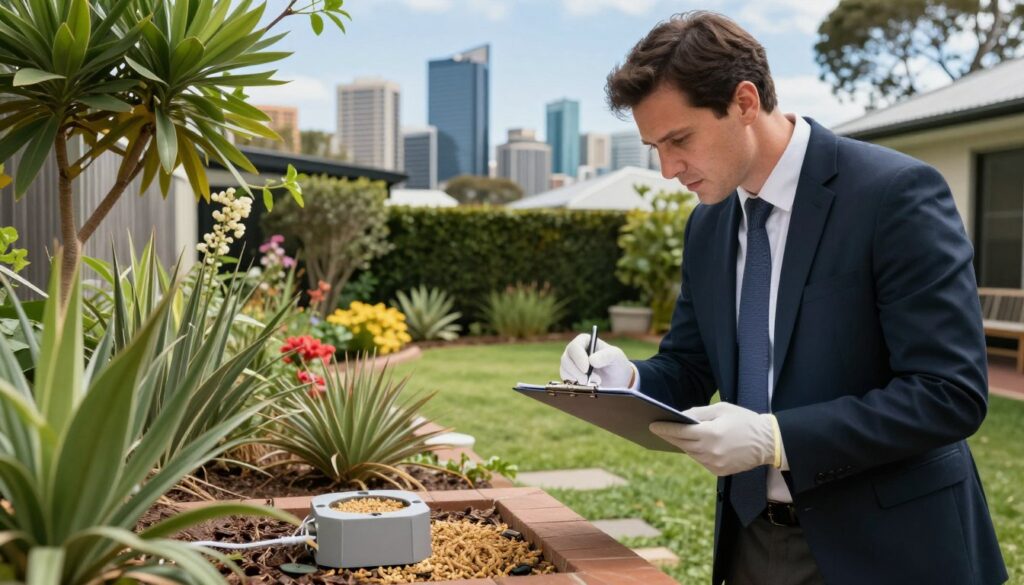
Termite baiting involves using bait stations that contain substances attractive to termites. While designed to target termites, these baits can potentially affect non-target species. For instance, some baits may attract other insects or even small animals. However, modern baiting systems are designed to minimize this risk by using species-specific attractants and controlling the amount of bait released.
The impact on non-target species can be further reduced by:
- Using bait stations that are designed to be species-specific.
- Regular monitoring to ensure that the bait is being consumed by the target species.
- Adjusting the bait quantity and type based on the termite activity observed.
Chemical Residue and Soil Health
Chemical barriers involve applying chemicals around the perimeter of a building to prevent termite infestations. While effective, these chemicals can leave residues in the soil, potentially affecting soil health and non-target organisms. The extent of this impact depends on the type of chemical used, its persistence in the environment, and the application method.
Some of the concerns associated with chemical residues include:
- Persistence in soil, potentially leading to long-term ecological effects.
- Impact on beneficial soil organisms, such as earthworms and microorganisms.
- Potential for chemical runoff into waterways.
Eco-friendly Alternatives
In response to environmental concerns, eco-friendly termite control alternatives are gaining popularity. These include:
- Natural termite repellents, such as certain plant extracts.
- Biological control methods, involving the use of natural predators or parasites of termites.
- Physical barriers, such as stainless steel mesh, that prevent termites from accessing buildings without the use of chemicals.
These alternatives offer promising solutions for reducing the environmental impact of termite control. However, their effectiveness can vary, and ongoing research is needed to improve their reliability and efficiency.
Safety of Employees and Residents
Ensuring the safety of employees and residents during termite control treatments is crucial for effective pest management in Sydney. Termite control methods, whether baiting or chemical barriers, involve substances and procedures that can pose risks if not handled properly. Therefore, understanding the safety measures associated with each method is essential.
Safety Measures in Baiting
Termite baiting is generally considered a safer alternative to chemical barriers because it involves less toxic substances. The baiting process typically uses bait stations that contain a slow-acting poison that termites take back to their colony, ultimately killing the queen and eventually the rest of the colony. Key safety measures include:
- Proper installation of bait stations to avoid accidental ingestion or tampering.
- Regular monitoring to ensure the bait is effective and to replace it as needed.
- Using baits that are designed to be safe for humans and pets while being lethal to termites.
Risks Associated with Chemical Barriers
Chemical barriers involve applying termiticides around the perimeter of a building to prevent termite infestations. While effective, these chemicals can pose health risks to applicators and residents if not applied correctly. Potential risks include:
- Exposure to toxic chemicals during application.
- Contamination of soil and groundwater.
- Residue left on surfaces that can be harmful if ingested or inhaled.
Best Practices for Safe Application
To minimize risks associated with both baiting and chemical barriers, it’s crucial to follow best practices. For Emergency Pest Control Sydney services, this includes:
- Ensuring that applicators are trained and certified.
- Conducting thorough risk assessments before treatment.
- Informing residents about the treatment process and any necessary precautions.
By adhering to these guidelines and choosing a reputable pest control service, the safety of both employees and residents can be significantly enhanced. It’s also important for residents to follow any instructions provided by pest control professionals to minimize exposure and ensure the effectiveness of the treatment.
Professional Pest Control Services in Sydney
Professional pest control services in Sydney offer a comprehensive solution to termite infestations, ensuring peace of mind for homeowners. With the right expertise and equipment, these services can effectively manage termite populations and prevent future infestations.
Importance of Hiring Experts
Hiring experts for termite control is crucial due to their extensive knowledge and experience. Professional pest control services understand the local termite species, their behavior, and the most effective treatment methods.
Experts use specialized equipment and techniques that are not readily available to the general public, ensuring a more effective treatment.
Questions to Ask Before Hiring
Before hiring a pest control service, it’s essential to ask the right questions. We recommend inquiring about their experience with termite control, the methods they use, and their success rates.
- What is your experience with termite control in Sydney?
- What methods do you use for termite treatment?
- Can you provide references or testimonials from previous clients?
Certifications and Qualifications to Look For
When selecting a pest control service, look for certifications and qualifications that indicate their professionalism and expertise. Certified pest control technicians have undergone rigorous training and adhere to industry standards.
Ensure the company is licensed and insured, and check if they are members of professional associations, such as the Australian Pest Management Association.
DIY Approaches vs. Professional Solutions
In the battle against termites, Sydney homeowners must decide whether to take on the challenge themselves or seek the expertise of professional pest control services. Both DIY approaches and professional solutions have their merits and drawbacks, which are crucial to understand to make an informed decision.
Effectiveness of DIY Pest Control
DIY termite control methods can be effective for minor infestations or as a preventive measure. These methods often involve using over-the-counter chemicals or natural deterrents. However, their effectiveness is generally limited by the severity of the infestation and the complexity of termite behavior.
Some common DIY methods include:
- Using termite baits and traps
- Applying chemical barriers around the home
- Removing infested wood and debris
While these methods can be cost-effective and empowering for homeowners, they may not address the root cause of the infestation or provide long-term protection.
Common Mistakes in DIY Attempts
Homeowners often make critical mistakes when attempting DIY termite control, such as:
- Insufficient diagnosis: Failing to correctly identify the termite species or the extent of the infestation.
- Inadequate application: Not applying treatments correctly or consistently.
- Lack of follow-up: Not monitoring the situation after treatment.
These mistakes can lead to prolonged infestations and increased damage to the property.
When to Call a Professional
Professional pest control services in Sydney offer comprehensive solutions that are tailored to the specific needs of each property. Experts can accurately diagnose the problem, apply effective treatments, and provide ongoing monitoring and maintenance.
It’s advisable to call a professional when:
- You suspect a severe or widespread infestation.
- You’re unsure about the type of termite or the extent of the damage.
- Previous DIY attempts have failed.
By choosing Professional Pest Control Sydney services, homeowners can ensure that their termite problem is handled efficiently and effectively, safeguarding their property and peace of mind.
Making an Informed Decision
When deciding between termite baiting and chemical barriers, it’s essential to consider several factors relevant to your property. We recommend evaluating the severity of the termite infestation, the age and type of your property, and the surrounding environment.
Property-Specific Factors
Assess the level of termite activity and the potential for future infestations. Consider the construction type, landscaping, and nearby vegetation, as these can influence termite behavior.
Personal Preferences and Values
Your personal preferences and values also play a significant role. If you’re concerned about environmental impact, termite baiting might be the preferred option. For immediate results, chemical barriers could be more suitable. Consulting with Pest Exterminators Sydney can help you make an informed decision.
Consultation with Experts
We stress the importance of consulting with a Top-rated Pest Control Company Sydney to determine the most effective termite control strategy for your specific situation. Their expertise will help you choose between termite baiting and chemical barriers, ensuring the best outcome for your property.
## FAQ
### Q: Which method is more effective for Sydney homes: termite baiting or chemical barriers?
A: Both methods are highly effective, but their success depends on your specific property. Chemical barriers, often using industry-leading products like Termidor, create a treated zone around the perimeter of your home to intercept termites. Termite baiting systems, such as Sentricon or Exterra, focus on colony elimination by attracting termites to a bait station. In our experience providing Sydney Pest Control services, we find that chemical barriers are excellent for high-risk structures, while baiting is ideal for properties where soil disruption or chemical application is restricted.
### Q: Why are termites such a significant threat in the Sydney region?
A: Sydney’s warm, temperate climate and high humidity provide the perfect breeding ground for Subterranean termites. Because our local environment is so conducive to their activity, a Top-rated Pest Control Company Sydney will tell you that termites cause more damage to Australian homes than fire and floods combined. Our Sydney Pest Management services are designed to address these unique local pressures before structural integrity is compromised.
### Q: How much should I expect to pay for Affordable Pest Control Sydney termite protection?
A: The cost varies based on the size of your home and the system chosen. Generally, a chemical barrier has a higher upfront installation cost but requires less frequent monitoring. Conversely, termite baiting often has a lower initial setup fee but involves ongoing service costs for regular inspections. We aim to provide the Best Pest Control Sydney value by tailoring a plan that fits your budget while ensuring 100% protection.
### Q: Are the chemicals used in these barriers safe for my family and pets?
A: Yes, when applied by Professional Pest Control Sydney experts, these treatments are very safe. Modern non-repellent chemicals are designed to bind tightly to the soil, meaning they do not leach into gardens or affect your pets. If you have environmental concerns, we often recommend baiting systems, as they use targeted growth regulators that only affect insects with an exoskeleton.
### Q: Can I handle a termite infestation myself using DIY products?
A: We strongly advise against DIY termite treatments. Professional Pest Exterminators Sydney have access to commercial-grade products and specialised equipment that aren’t available to the public. Common DIY mistakes often lead to “splitting” the colony, which can actually drive termites deeper into your home. For a long-term solution, it is always safer to trust a Professional Pest Control Sydney firm.
### Q: How often do I need to have my termite management system inspected?
A: At a minimum, we recommend an annual termite inspection. However, if you are using a baiting system, our Sydney Pest Control services team will visit more frequently—often every three to six months—to monitor activity and replenish bait stations. Regular checks are the only way to ensure your Sydney Pest Management services remain effective over the long term.
### Q: What should I do if I find active termites in my home right now?
A: Do not disturb them or spray them with household fly spray. If you disrupt their leads, they will retreat and re-enter your home elsewhere, making it harder for us to treat the source. You should contact us for Emergency Pest Control Sydney immediately. Our Pest Exterminators Sydney can then assess the activity and implement a professional baiting or foaming treatment to eliminate the colony at its heart.
### Q: How long does a chemical barrier typically last in Australian soil?
A: High-quality chemical barriers like those using Fipronil are designed to provide protection for up to eight years. However, factors such as soil type, moisture levels, and landscaping changes can impact this duration. We recommend consulting with a Top-rated Pest Control Company Sydney to determine if your barrier needs a “top-up” or re-treatment to maintain your home’s safety.
### Q: What certifications should I look for when hiring Pest Control Sydney experts?
A: You should ensure the company is fully licenced and insured, with technicians holding a Certificate III in Pest Management. We pride ourselves on being a Best Pest Control Sydney provider, adhering strictly to Australian Standards (AS 3660.2) to give you peace of mind that your most valuable asset is in safe hands.