Expel Pest Control Solutions
How can I tell if my termite inspection in Sydney was done properly?
A proper termite inspection Sydney job should feel thorough, not rushed. The inspector should check high-risk zones, explain termite activity signs in plain English, use the right tools, show you photos, and leave you with a termite report Sydney homeowners can actually act on. If it felt like a fast walk-around, you are right to ask questions.
1) Introduction & first impressions
Quick verdict first: a good termite inspection in Sydney leaves you with clear proof, clear next steps, and no mystery about what was checked.
Best for Sydney homeowners
We wrote this guide in the voice of Expel Pest Control Solutions, using the local Sydney service context on the Expel site and its 2026 editorial pieces. The goal is simple: help homeowners tell the difference between a comprehensive termite inspection and a quick visit that sounds professional but misses the hard parts.
what does a termite inspection include
how long should a termite inspection take
termite inspection standards Australia
white ants inspection Sydney
2) Service overview & specifications
This is not a gadget review. It is a service review framework for pest control in Sydney Australia. So instead of “what’s in the box,” we look at what should be included in a good visit, what tools matter, and what the termite inspection report example should tell you.
✓
Internal rooms, external perimeter, fences and stumps where relevant, subfloor where accessible, roof void where accessible, moisture risks, and visible signs of active termites in house.
!
Blocked access, no manhole, locked areas, packed storage against walls, low-clearance subfloor, unsafe roof space, heavy furniture hiding skirtings and architraves.
✕
A vague invoice with no real termite report Sydney details, no images, no limitations, and no plan for termite prevention Sydney follow-up.
3) Inspection quality & build logic
The “build quality” here is the quality of the inspection process. A strong job is systematic, calm, well documented, and easy to follow.
What a proper inspection looks like
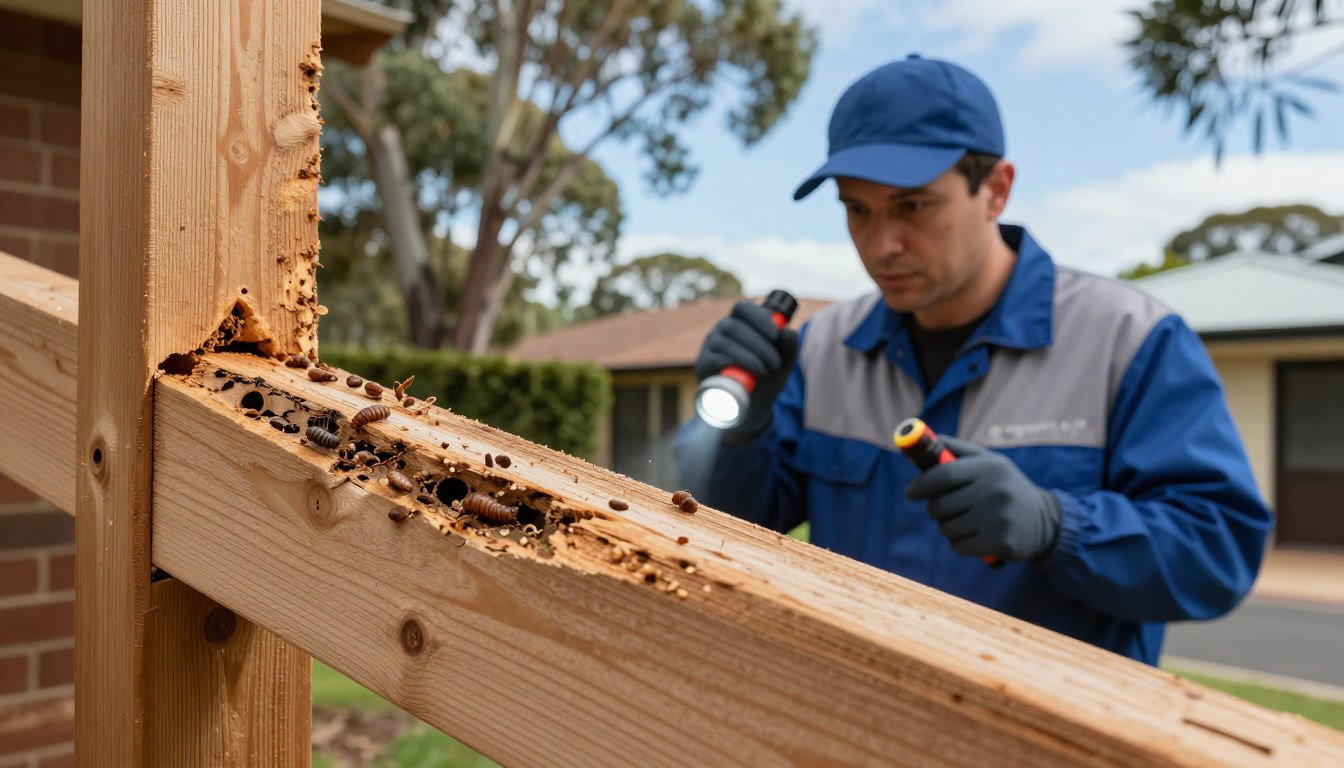
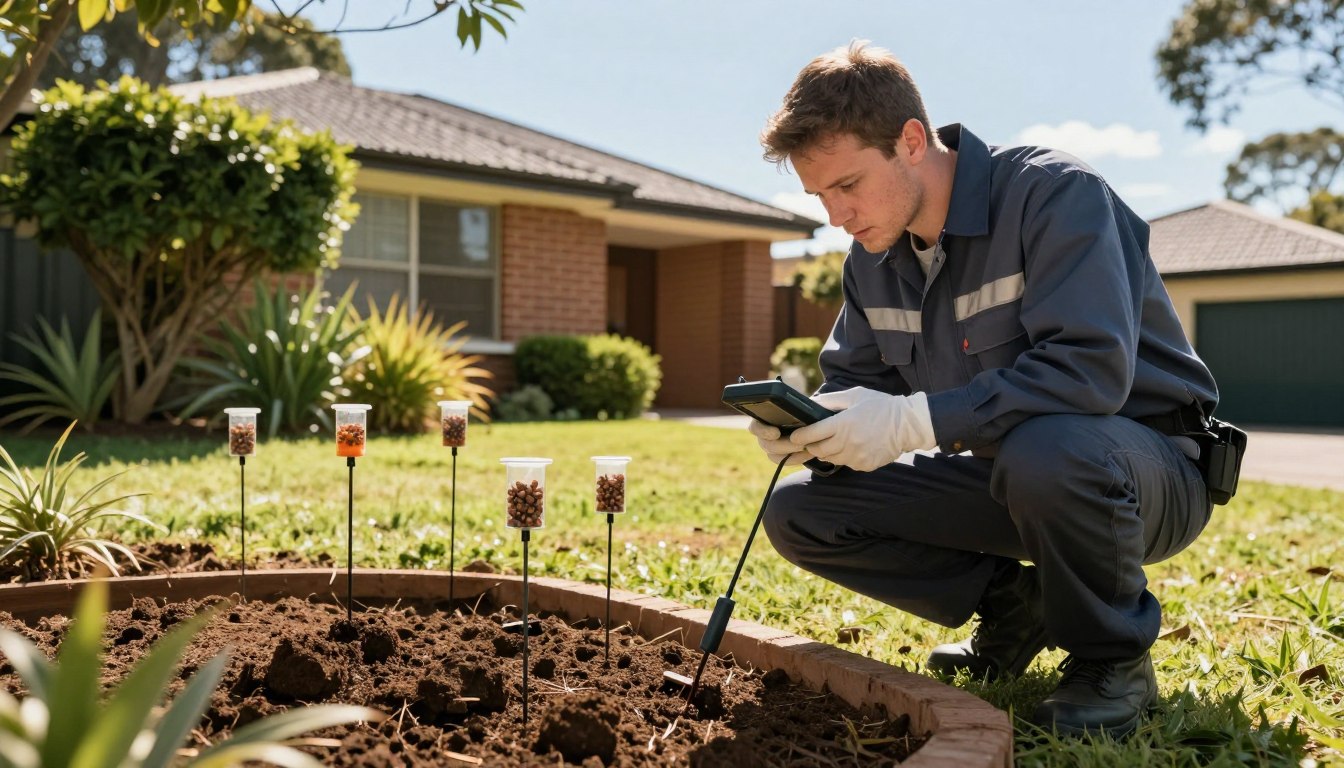
- The inspector starts outside and thinks like termites: garden beds, slab edges, damp zones, weep holes, leaks, fences, decking, tree stumps, and timber-to-soil contact.
- They move inside and check skirtings, door frames, window frames, wet areas, laundry, kitchen, and any soft or stained timber.
- They explain why leaking pipes termites, poor drainage, and damp timber termites problems raise risk.
- They note what was accessible and what was not. That matters because timber pest inspections in Australia are normally limited to accessible areas.
What “rushed” often looks like
- No ladder, no manhole check, no crawl under the house where there is safe access.
- No sounding timber for termites.
- No moisture discussion, no thermal imaging talk, no photos.
- Lots of confidence, not much evidence.
- No mention of termite barriers Sydney homes may already have, or whether landscaping has bridged them.
4) Performance analysis: how do I know if my termite inspection was thorough?
The answer sits in three areas: coverage, evidence, and action.
4.1 Core functionality
The main job of a professional termite inspection is not only to find live termite evidence. It should also flag concealed termite damage, termite activity signs, and the conditions that make future attack more likely.
1
Did they inspect the internal, external, subfloor, and roof void areas where accessible?
2
Did they provide photos, findings, and plain-English notes for mud tubes, damaged timber, moisture hot spots, or wall cavity termite inspection concerns?
3
Did they recommend monitoring, termite treatment recommendation options, or a next inspection date?
4.2 Quantitative measurements that matter
- Time on site: A proper inspection should rarely feel like a five-minute stop. Time varies by property size, access, clutter, and risk.
- Photo count: Good reports usually include enough images to prove what was seen.
- Access note count: A quality report tells you exactly which areas were blocked or not safe to inspect.
- Risk flags: Moisture, poor ventilation, leaking showers, timber garden edging, and hidden slab edge issues should be called out.
Interactive scorecard: was your termite inspection done properly?
Move each slider based on your real experience. The tool gives a quick confidence score.
Your confidence result
A low score does not prove the inspector missed termites. It does mean you should ask for clearer evidence or consider a second opinion.
4.3 What homeowners remember after good vs poor inspections
Illustrative editorial chart for on-page education.
5) User experience
Setup and booking
For most Sydney households, booking should be simple: confirm address, building type, access points, roof manhole access, subfloor access, past termite history, and whether this is a pre purchase termite inspection Sydney job or a routine annual termite inspection Sydney check.
Daily usability
The best experience is when the technician explains the process while moving through the home. You should not need a translator for the jargon. “Conducive conditions” should be explained as moisture, timber contact with soil, poor ventilation, leaking pipes, or blocked inspection zones.
Learning curve
Homeowners usually understand the report fast when it is built around photos, simple risk labels, and clear actions. That is the mark of a strong inspection service.
Controls and communication
A quality inspector answers practical questions like: Do I need an annual termite inspection? Can termites be found behind walls? Should termite inspectors go under the house? Do termite inspectors check the roof cavity?
6) Comparative analysis
Since you asked that no other company be named, this comparison stays focused on inspection styles, not brands. The best termite specialist Sydney homeowners choose is usually the one with the clearest evidence trail, not the flashiest ad.
| What you compare | Strong inspection | Weak inspection |
|---|---|---|
| Coverage | Checks internal, external, roof void, subfloor, fences and stumps where relevant and accessible | Fast visual walk-around only |
| Tools | Uses torch, moisture meter, tapping/sounding, probe, and photo evidence; may discuss thermal imaging where suitable | Mostly eyes only, little or no evidence |
| Report quality | Clear termite report findings, images, limitations, and action plan | Vague note, no real photos, no timeline |
| Risk advice | Explains termite conducive conditions and termite prevention Sydney steps | Just says “all good” or “watch it” |
| Value | Higher value because it reduces guesswork and helps protect against bigger repair bills | Cheap today, expensive later if things were missed |
7) Pros and cons
What we loved
- A proper termite detection Sydney process finds more than live termites. It also catches moisture risks and weak points.
- Good inspections create a useful record for future checks and termite inspection frequency Sydney planning.
- It gives buyers confidence before exchange and owners a better prevention plan.
- It helps you decide whether you need monitoring, a termite management system, baiting, or a chemical barrier discussion.
Areas for improvement
- No visual inspection can guarantee every hidden termite in every sealed wall cavity will be found.
- Blocked access can reduce certainty, especially in low subfloors or packed roof spaces.
- Some homeowners expect a building report and a termite inspection to be the same thing. They are not identical.
- If the property has not been prepared well, even a good inspector may be forced to list serious limitations.
8) Evolution & updates
Termite inspection itself is not “new,” but the way good services are delivered keeps improving. On the Expel Sydney service page, the termite section says inspections use thermal imaging and moisture detection to identify active infestations before visible damage occurs. That matters because Sydney homes termite risk often sits behind paint, plaster, bathrooms, garden beds, and timber trims.
What has improved
- Better photo-heavy reporting
- More homeowner education in plain language
- Stronger prevention advice after inspection
- More focus on low-tox planning and family-safe communication in wider pest control Sydney services
What still matters most
- Licensing and insurance
- Accessible-area honesty
- Evidence-based findings
- Clear next-step planning
9) Purchase recommendations
Best for
- Owners of older timber-heavy houses
- Homes with damp subfloor, poor ventilation, or leaking wet areas
- Properties near gardens, bushland, retaining walls, fences, and stumps
- Buyers booking termite inspection before buying house
- Families wanting a practical annual termite inspection cost vs risk conversation
Skip if
- You only want a cheap checkbox report and do not care about useful evidence
- The home is so blocked with stored items that no real inspection can be done yet
- You are expecting the inspector to open every wall or move all heavy furniture during a routine visual inspection
10) Where to book
For this page, the recommended option is Expel Pest Control Solutions only. If you want broader price context first, read How much does pest control cost in Sydney for a house?. If you want general home service context, visit Residential Pest Control Sydney.
Best deal logic
Do not shop on price alone. The better question is: what evidence, access coverage, and follow-up clarity are included?
That is how you avoid paying cheap now and expensive later.
Trusted booking path
Expel Pest Control Solutions
Pest Control Sydney
0408 226 446
https://expel.com.au/pest-control-sydney/
11) Final verdict
If your termite inspection in Sydney included a real perimeter check, internal inspection, roof void and subfloor logic where accessible, moisture discussion, photos, and clear termite treatment recommendation notes, it was probably done properly. If it felt fast, vague, or light on proof, trust your gut and ask for answers.
Overall rating: A proper termite inspection is one of the highest-value services a Sydney homeowner can buy because it helps prevent silent structural damage.
12) Evidence & proof
This section uses a mix of live image modules, embedded video, and 2026-only brand-safe proof elements.
2026 testimonial proof #1
“The team at Expel Pest Control was prompt, courteous, and efficient in dealing with our pest issue. We were impressed with the results and would highly recommend their services.”
2026 testimonial proof #2
“We were looking for a green solution to our pest problem, and Expel Pest Control delivered. Their approach was not only effective but also environmentally friendly.”
2026 testimonial proof #3
“The follow-up service was excellent, and the team ensured that the problem was fully resolved. We appreciate their professionalism and dedication.”
FAQs
What should a termite inspector check?
They should check internal and external areas, look for termite mud tubes, damaged or hollow-sounding timber, moisture problems, entry points, and termite conducive conditions. Where safe and accessible, subfloor termite inspection and roof void termite inspection matter a lot.
How long does a termite inspection take in Sydney?
It depends on the property size, clutter, access, and complexity. The right question is not just time. It is whether the report shows solid coverage, clear photos, limitations, and useful next steps.
Can termite inspections miss termites?
Yes. Termites can be hidden behind walls, insulation, stored items, or inaccessible zones. That is why report limitations and regular inspection frequency are so important.
Do I need an annual termite inspection?
For most homes, yes. Many Australian termite management references recommend inspections at intervals not more than 12 months, with more frequent checks for higher-risk properties.
Should a termite inspector use a moisture meter?
Often, yes. Moisture readings help flag hidden risk around bathrooms, laundries, kitchens, leaks, and damp timber zones that termites like.