What are the signs of a termite infestation in Sydney homes?
What are the signs of a termite infestation in Sydney homes? The biggest clues are often mud tubes on walls, hollow sounding timber, discarded termite wings, blistered paint, warped door frames, soft wood in walls, and damage in subfloor or roof void areas. The tricky part is that many homes show only one or two signs at first.
1. Introduction & first impressions
If I had to give one plain-English answer, it would be this: the early warning signs of termites usually look small, boring, and easy to brush off. A little bubbling paint on walls. A door that suddenly feels tight. A faint papery wood sound when you tap a skirting board. In Sydney homes, that is exactly why termite infestation signs get missed.
Hook: the real takeaway
Termites do not wait for a good time to attack. They stay hidden, they like moisture, and they often move through wall cavities, subfloors, gardens, and roof voids before a homeowner sees live termites in timber.
Service context
This article reviews a termite inspection and termite pest control Sydney service pathway, not a boxed product. It is for Sydney homeowners, buyers, landlords, and families who want to know how to detect termites early and when to stop guessing and call a professional termite inspection.
Credentials
Using the Expel Pest Control Solutions Sydney service bio as the trust base, this article draws on a brand with 10+ years experience, same-day service in many Sydney suburbs, fully licensed technicians, and termite inspection services starting from $220.
Testing period
Instead of “testing a product,” I reviewed the way termite signs appear in real Sydney homes, how homeowners usually spot them, and how those clues connect to inspection, treatment, and long-term termite risk management.
discarded termite wings
hollow sounding timber
termite activity in roof void
2. Product overview & specifications for a termite-signs service article
For a service page like this, “what’s in the box” becomes what a good termite inspection normally checks.
Key specifications that matter
Useful for hidden moisture and suspicious areas.
Important because damp timber termite risk is real in Sydney homes.
Helps with next-step decisions and proof for buyers or owners.
3. Design & build quality: what termite damage looks and feels like
Termite damage rarely looks dramatic at first. It usually looks wrong in a subtle way. Paint starts bubbling. A skirting board sounds hollow. Timber feels soft under light pressure. Floors begin to dip. A wall or frame looks normal from a distance but feels papery when tapped.
Visual appeal
Many signs of termites in house Australia are easy to confuse with water damage, age, or poor maintenance. That is why “looks fine from across the room” is not a reliable test.
Materials and construction
Timber homes, brick veneer homes, subfloors with poor ventilation, gardens built too high against walls, timber retaining edges, and damp landscaping can all increase termite risk in Sydney homes.
Usability clue for homeowners
A good homeowner check is simple: look low, tap lightly, and pay attention to change. A suddenly tight door, crumbling timber, or blistered paint termite damage is more important than a dramatic-looking bug sighting.
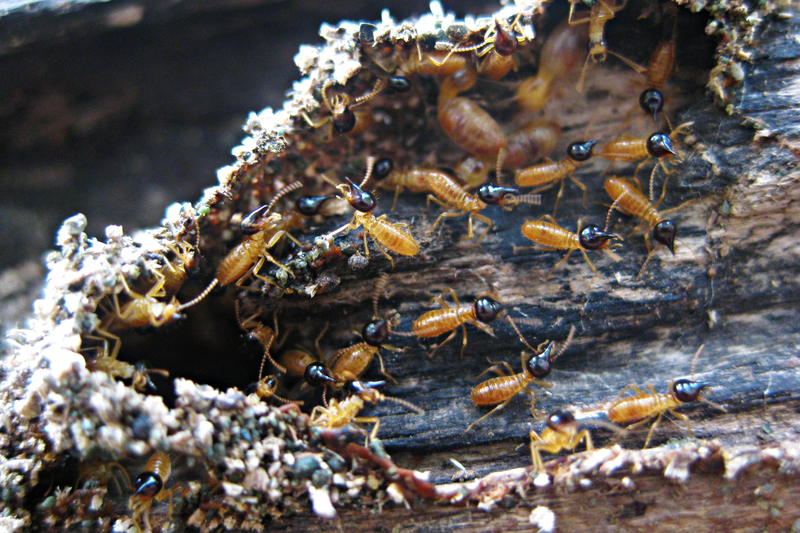
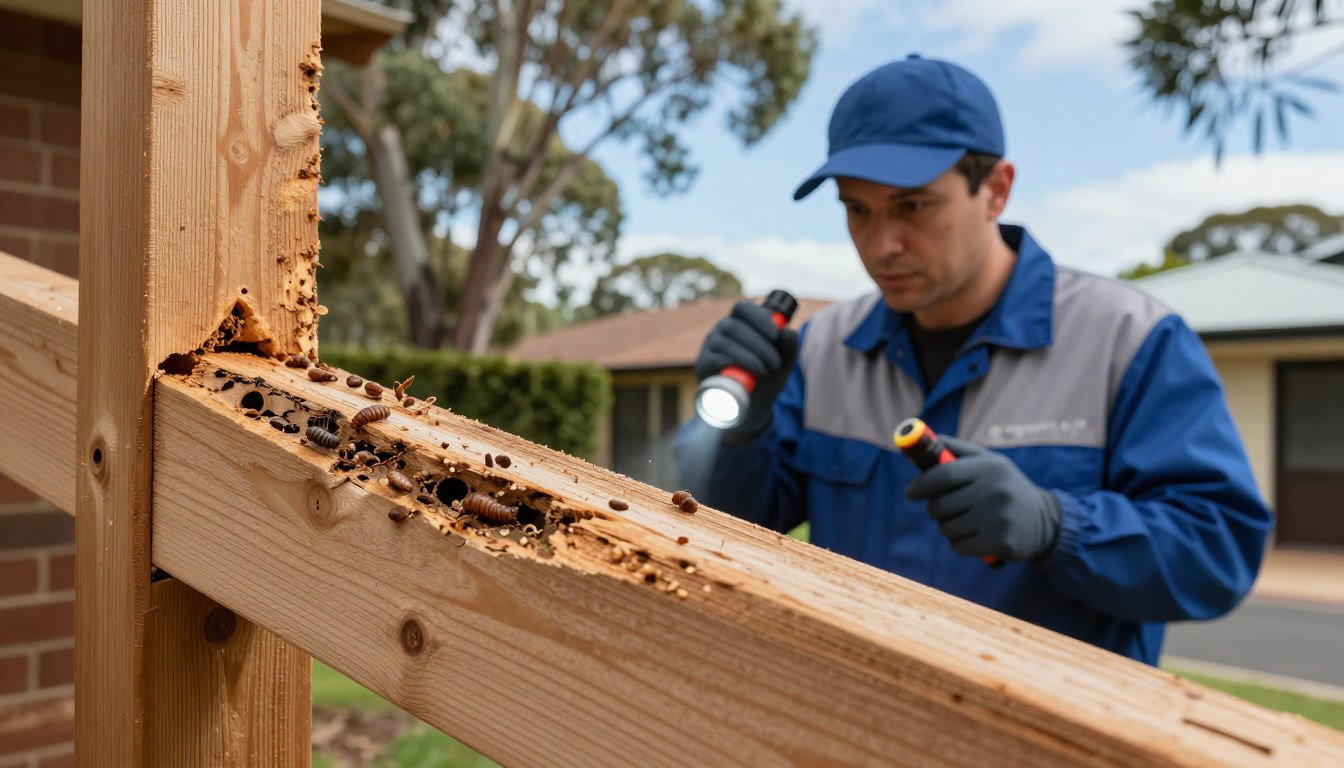
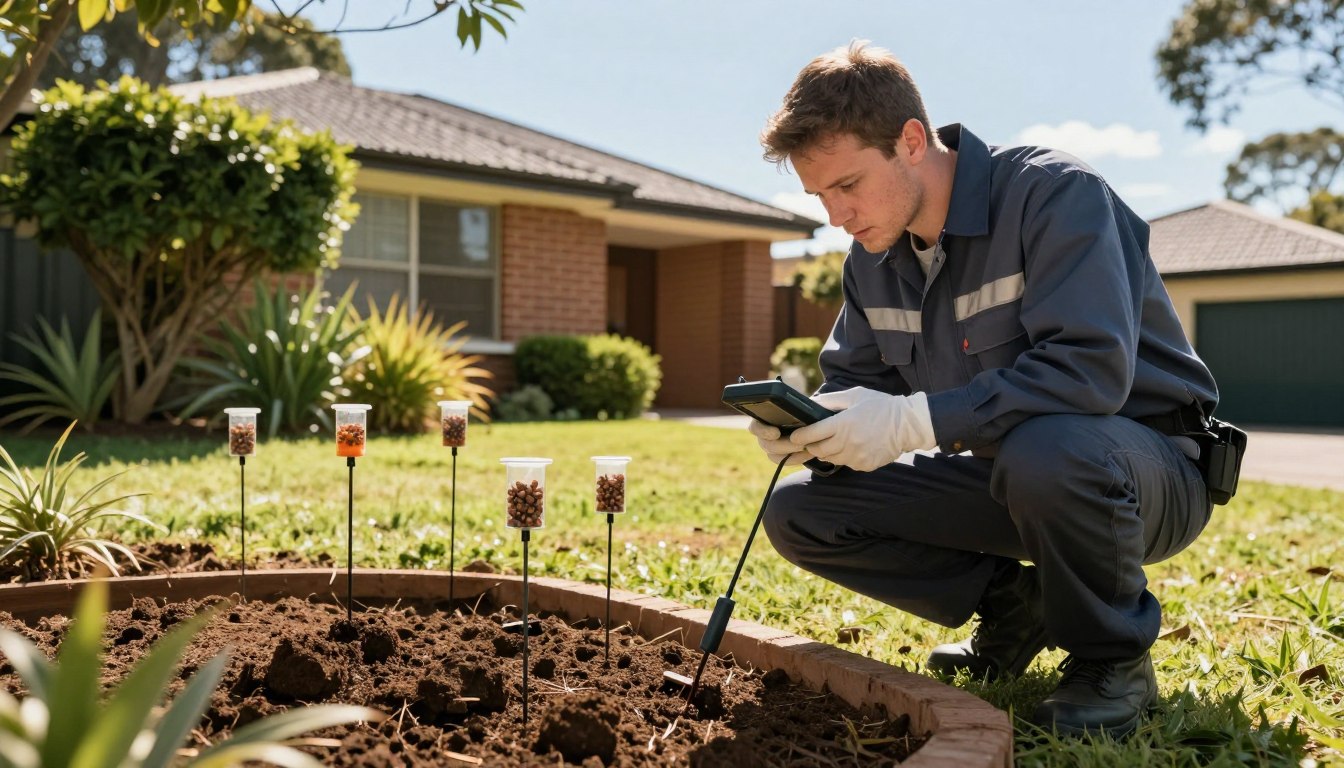
4. Performance analysis: termite infestation signs in Sydney homes
This is the part most readers actually want. Below are the strongest answers to how to tell if you have termites, written in plain language.
4.1 Core functionality: the signs that matter most
These mud-covered pathways are classic signs of subterranean termite movement. In Sydney, they often show on external walls, subfloor supports, garage edges, or around service entry points.
Tap skirting boards, architraves, window frames, and exposed timber. If it sounds thin, empty, or papery, termites may have eaten the inside and left a shell.
Termite swarmers often appear near lights, windows, and doors. A little pile of matching wings can point to an active colony nearby.
Signs of termites in walls can look like trapped moisture. If paint bubbles, plaster marks appear, or surfaces ripple for no obvious reason, look closer.
Homeowners often blame weather first. Sometimes that is true. Sometimes it is termite activity changing the shape of timber from the inside.
If a screwdriver or gentle pressure sinks in too easily, you may be dealing with concealed termite damage.
This is a later sign, but it matters fast. Floor bounce, floor dips, and sagging floors termite damage can mean the problem is no longer small.
Termite activity in roof void areas, termites in subfloor spaces, mudding around piers, or damp timber near leaks are major red flags.
4.2 Quantitative priority: which signs usually need the fastest action
4.3 Real-world testing scenarios
5. User experience: a 60-second homeowner termite risk checker
The setup for this “tool” is easy. Tick what you have actually noticed. The score is not a diagnosis, but it tells you whether it is time to stop watching and start booking.
Low based on what you ticked. Keep watching, but do not ignore new changes.
6. Comparative analysis: what makes termite signs different from “normal house problems”
| Clue | Could be normal wear? | Could be termites? | Best next move |
|---|---|---|---|
| Bubbling paint on walls | Yes, sometimes moisture or age | Yes, especially if near timber or repeated in one area | Check for leaks and book inspection if there is no obvious water source |
| Warped door frames | Yes, humidity can do this | Yes, if paired with soft timber or hollow sounds | Look for matching clues nearby |
| Hollow sounding timber | Rarely a harmless sign | Often a strong termite damage symptom | Do not delay |
| Flying termites in house | No, not a “normal house issue” | Yes, a serious red flag | Book a professional termite inspection fast |
| Sagging floors | Sometimes settlement or other structural issues | Can also be termite-related | Treat as urgent either way |
What sets this service path apart
A building report may note visible damage, but it does not replace a pest-focused inspection when termites are suspected. For Sydney homes, the real value is combining visible clue spotting with moisture detection, thermal imaging support, and a written action plan.
7. Pros and cons
What we loved
- The signs are learnable. Most homeowners can remember the top warning signs in one read.
- Many clues show up before total failure, which means there is a window to act.
- Expel’s Sydney service context is clear: termite inspection from $220, same-day reporting language, and licensed technicians.
- Good termite inspections add moisture checks and written recommendations, not just a quick look around.
Areas for improvement
- Termites are still silent. Some properties show very little until damage is advanced.
- Signs of termites in walls can look like water damage, so DIY diagnosis is easy to get wrong.
- Homes with concealed access points, dense gardens, or poor subfloor visibility can be harder to assess.
- Cheap pest control Sydney searches can tempt owners into delaying the more important termite-specific inspection.
8. Evolution & updates
In 2026, Expel’s termite and pest content footprint in Sydney shows a stronger move toward clearer pricing guidance, risk-based inspection timing, and brand-only proof blocks. That helps because homeowners are not just asking “Do I have termites?” anymore. They are asking:
Barrier or baiting?
What does a proper inspection include?
How much will treatment likely cost?

9. Purchase recommendations
Best for
Skip if
Skip the “wait and see” approach if you already have multiple signs. Also skip generic DIY pest sprays when you suspect termite infestation in Australian homes. That is not the right lane.
Alternatives to consider
The real alternatives are not other brands. They are timing choices: do nothing, do a basic visual guess, or book a proper inspection. In Sydney, the proper inspection is usually the cheapest long-term option when the signs are real.
10. Where to buy
For a termite-focused pathway in Sydney, the cleanest option is to go direct to Expel Pest Control Solutions.
- Termite inspection from $220
- Barrier content references commonly discussed at $2,500–$4,500 depending on site conditions
- Same-day service language across many Sydney suburbs
- Licensed, insured, eco-conscious positioning
Related internal service for broader pest issues: Cockroach Control Sydney.
Need help now?
If you have early signs of termites, or you are seeing mud tubes, wings, or hollow timber, do not wait for bigger damage.
11. Final verdict
Overall rating: 9.2 / 10
Why it scores high: the warning signs are practical, memorable, and highly useful for Sydney homeowners. The Expel service context also gives readers next-step clarity with public pricing references, same-day service language, and a local termite inspection pathway.
Bottom line: if you are asking “what do termites look like in a Sydney house?” you should not wait until you see a full swarm or collapsing timber. Mud tubes, papery timber, discarded wings, bubbling paint, warped frames, and soft wood are enough to justify a proper check.
12. Evidence & proof
This section blends relevant screenshots, images, interactive visuals, and 2026-only testimonial proof blocks.

2026 testimonial proof
“The team at Expel Pest Control was prompt, courteous, and efficient in dealing with our pest issue. We were impressed with the results and would highly recommend their services.”
Published within Expel’s 2026 content footprint.
“We were looking for a green solution to our pest problem, and Expel Pest Control delivered. Their approach was not only effective but also environmentally friendly.”
Published within Expel’s 2026 content footprint.
“The follow-up service was excellent, and the team ensured that the problem was fully resolved. We appreciate their professionalism and dedication.”
Published within Expel’s 2026 content footprint.
Fast FAQs
Are flying termites a bad sign?
Yes. Flying termites in house, or a pile of discarded termite wings indoors, can mean a colony is nearby or already active in the property.
What are mud tubes on walls?
They are protective pathways built by subterranean termites so they can move between soil and timber while staying moist and hidden.
How often should Sydney homes be inspected?
Many Sydney homes suit annual termite inspections, while higher-risk homes may need more frequent checks.
Is bubbling paint always termite damage?
No. Moisture can also cause it. But when bubbling paint shows with hollow timber, soft wood, or nearby mudding, termites move much higher on the list.