How do I seal cracks and entry points to stop cockroaches and ants?
How do I seal cracks and entry points to stop cockroaches and ants? Start with the boring gaps first. Tiny gaps under doors, around pipes, behind splashbacks, along skirting boards, and around window frames are the little highways that let pests move in. Seal those, remove food and moisture, and the pressure usually drops fast.
I have worked through enough Sydney pest content to know the same story keeps showing up: people spray the visible pests, feel good for two nights, then the ants return to the kitchen and the cockroaches show up behind the dishwasher again. The reason is simple. Sprays hit the symptom. Entry-point sealing hits the route.
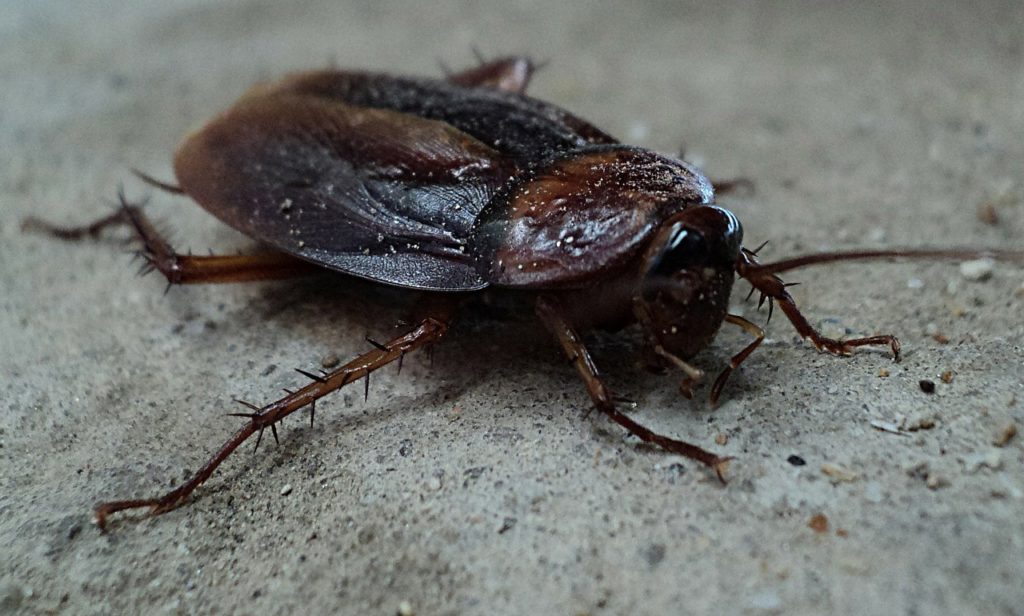
This page is written in a simple, mobile-friendly style for homeowners, renters, strata residents, and small business operators looking for practical pest proofing home steps before problems grow.
2. Service overview & specifications
What is “sealing cracks for pest control”? It is home sealing for pest control. You inspect all common cockroach entry points and ant entry points, then close them with the right material. Small cracks often need silicone caulk or acrylic gap filler. Wider holes around pipes may need mesh filler first, then sealant. Gaps under doors usually need a door sweep or weather stripping for pest prevention.
What is in the box? For most homes, the practical kit is simple: torch, old cloth, vacuum, silicone caulk, caulking gun, acrylic gap filler, expanding foam for larger voids, weather stripping, a door sweep, filler mesh, grout repair compound, and a notepad or phone for photos.
Who is this for? Sydney renters trying to stop cockroaches in kitchen zones, owners dealing with prevent ants in kitchen issues, and businesses needing cleaner pest exclusion methods around storage, bins, dishwashers, fridges, bathrooms, and utility penetrations.
Best places to start first
- Gap sealing around doors and door thresholds
- Seal around window frames and screens
- Close gaps around pipes under sinks and laundries
- Seal holes in skirting boards and wall corners
- Bathroom crack sealing around vanities and tiles
- Sealing kitchen gaps for cockroaches behind fridges and dishwashers
- Seal utility penetrations where cables and plumbing enter walls
- Fill gaps in tile grout and seal cracks in brick walls where practical
3. Design, build quality & common weak spots
Homes do not fail all at once. They fail at edges. A neat kitchen can still have a messy gap behind the splashback. A clean bathroom can still hide moisture around pipes. A tidy apartment can still have window frame gaps, gaps under doors, and cracks in walls that feed ant trails and nesting access.
Kitchen weak spots
- Behind dishwashers
- Under sinks
- Behind fridges
- Cabinet backs and kickboards
- Gaps around gas, water, and waste lines
Bathroom weak spots
- Pipe penetrations
- Loose tile grout
- Vanity joins
- Exhaust edges
- Damp cracks and crevices
Perimeter weak spots
- Door thresholds
- Window seals
- Weep holes and vents
- Brick joints
- Air-conditioning penetrations
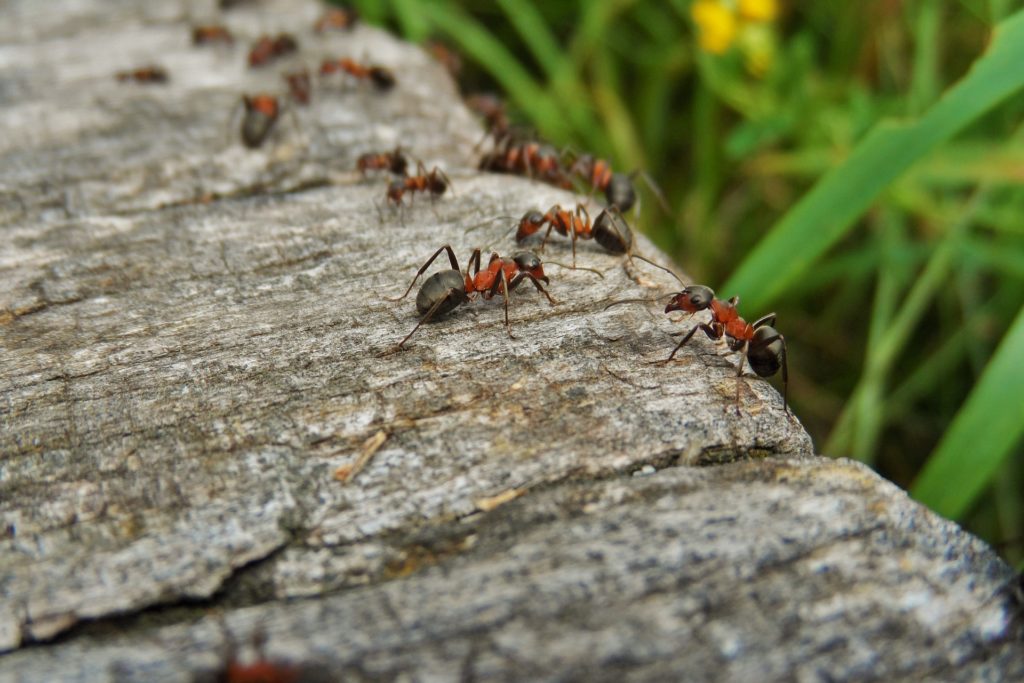
A quick story from real homes
One of the most common patterns is this: someone finds cockroaches in dishwasher areas or ants under the sink, buys a supermarket spray, and gets a brief win. A week later the pests return from the same pipe gap. The lesson is not that the spray “failed.” It is that the route stayed open.
That is why pest proofing your home is part detective work and part maintenance. The best sealant for pest gaps depends on the gap, but the inspection logic stays the same every time.
4. Performance analysis: how to seal cracks for pest control
4.1 Core functionality
The main job is simple: stop bugs entering home by closing the route. A good exclusion job does three things well. First, it blocks physical access. Second, it reduces hidden harbourage. Third, it makes any future pest inspection clearer because new activity is easier to spot.
4.2 Quantitative measurements
Door gap targetAny visible light under a door is a red flag. A door sweep or threshold seal is usually the quickest correction.
Pipe gap targetIf you can fit the edge of a finger into a plumbing gap, it is usually worth filling with mesh and sealant.
Watch carefullyWeep holes and drainage paths should not be blocked blindly. Protect them correctly rather than sealing them shut without a plan.
4.3 Real-world testing scenarios
Turn the lights off for 15 minutes, then inspect behind the fridge, dishwasher, sink pipes, and kickboards with a torch.
Feel for air movement. If air moves, ants and cockroaches can often use the same path.
Look for condensation, soft grout, or pipe gaps. Moisture plus shelter is a classic cockroach prevention failure point.
Run a slow room-by-room check for seal holes in skirting boards, cracks in walls, and cable penetrations.
5. User experience
Setup and installation
DIY pest proofing for cockroaches and ants is not hard, but it rewards patience. Clean first. Dry the area. Then seal. If you skip cleaning and go straight to caulk, grease and dust can stop a clean bond.
Daily use
Once the big gaps are closed, daily life gets easier. Less dust moves in, fewer drafts show up, and there are fewer hidden places for roach prevention tips to turn into a long weekend project.
Learning curve
Most people get confident after one door and one pipe gap. The trickiest part is knowing where not to seal blindly, especially around drainage, ventilation, or building details that need airflow.
Simple installation checklist
- Vacuum crumbs, droppings, and dust first
- Fix leaks before sealing damp areas
- Use silicone caulk for flexible, neat joins
- Use acrylic gap filler where paintability matters
- Use a door sweep for insects at external doors
- Use weather stripping around frames
- Photograph each gap before and after
- Re-check high-risk points 7 days later
6. Comparative analysis
Here is the honest comparison homeowners usually need. Sealing gaps is not a replacement for every treatment. It is the base layer that makes every other treatment more effective.
| Option | Best use | Strength | Limitation |
|---|---|---|---|
| DIY gap sealing | Block entry routes and reduce repeat incursions | Low cost, fast, practical | Will not remove an established nest by itself |
| Baits and gels | Ant nests and German cockroach treatment Sydney jobs | Targets source better than sprays | Works best when food competition is reduced |
| Surface sprays | Quick knockdown around travel paths | Fast visible effect | Often short-lived if entry points stay open |
| Professional pest inspection Sydney | Repeat issues, food areas, strata, businesses | Finds hidden routes and nesting pressure | Higher upfront cost than DIY only |
Useful internal links: Pest Control Sydney, Cockroach Pest Control Sydney, Ant Control Sydney, Residential Pest Control Sydney, Commercial Pest Control Sydney.
7. Pros and cons
What we loved
- Fast way to stop pests entering house without waiting
- Works well for insect prevention around windows and doors
- Useful for prevent cockroaches in bathroom and kitchens
- Door sweep and weather stripping often create an instant improvement
- Pairs well with same day pest control Sydney if you already have activity
Areas for improvement
- DIY work can look messy if the wrong sealant is used
- Expanding foam is easy to overdo
- Does not solve a hidden nest by itself
- Some gaps need a licensed eye, especially in commercial food areas
- Not every opening should be blocked the same way
8. Evolution & updates
This topic has become more practical in 2026 because Sydney pest content is now answering more real-life questions instead of repeating vague advice. Recent Expel content keeps circling back to the same pattern: for ants, killing the visible trail is only a short break unless you hit the nest, remove food and moisture, and seal the entry points. For German cockroaches, the message is also simple: break the breeding cycle, treat the hiding spots, and do not leave the route open.
“Prompt, courteous, and efficient.”
2026 testimonial published on Expel content
“Environmentally friendly… effective.”
2026 testimonial published on Expel content
“Follow-up service” praised after full resolution.
2026 testimonial proof note on Expel content
9. Purchase recommendations
Best for
Renters, owners, and strata residents dealing with how to stop cockroaches entering house or how to stop ants coming inside through repeat access points.
Skip if
You already have a heavy German cockroach infestation, repeated ants after rain, or visible pests in food prep zones. In that case, DIY sealing should support a treatment plan, not replace it.
Alternatives to consider
Targeted baits, gel placement, crack-and-crevice work, and a local pest inspection. For businesses, a structured IPM-style exclusion and monitoring plan makes more sense than patchwork DIY alone.
10. Where to buy / book
For DIY, buy materials that match the gap size and surface. For full support, book with Expel Pest Control Solutions. The public Sydney service page lists general pest control from $149 and positions the service for cockroaches, ants, and related household pests.
If you are searching for affordable pest control Sydney, same day pest control Sydney, emergency pest control Sydney, or local pest control Sydney, it makes sense to combine exclusion work with a real treatment plan instead of doing half the job twice.
What to watch for
- Do not rely on one spray if the gap is still open
- Do not seal over damp, dirty surfaces
- Do not ignore cockroaches in fridge or dishwasher areas
- Do not leave pet food, grease, and water out overnight
- Do not treat every vent or weep hole the same way
11. Final verdict
Bottom line: the best way to block insect entry points is to think like the pest. Follow the crumbs, the moisture, and the drafts. Then seal cracks for pest control with the right material in the right place. For light, early problems, that can make a huge difference. For repeat activity, pair DIY pest proofing with professional help from Expel Pest Control Solutions.
This is especially true for cockroaches in kitchen pest control work, cockroaches in dishwasher spaces, cockroaches in fridge voids, and repeat ant trails coming in from windows, brick joints, or utility penetrations.
Final scorecard
Cost-effectiveness
Ease of DIY setup
Long-term value
Impact on heavy infestations
12. Evidence & proof
Screenshot idea 1
Show the NSW food premises guidance panel that lists sealing holes, gaps, cracks, flyscreens, keeping doors closed, and weather strips at the base of doors.
Screenshot idea 2
Show the cockroach prevention page that recommends sealing around windows, doors, pipes, and other openings, plus repairing plumbing leaks, cracks, and crevices.
2026 proof cards
Show March–April 2026 Expel content snippets on ants, German cockroaches, pricing, and testimonials to reinforce E-E-A-T and local relevance.
Quick FAQ
What is the best sealant for pest gaps?
For many indoor joins, silicone caulk is the safest all-round answer. It flexes well and suits kitchens and bathrooms. Acrylic gap filler is handy where you want to paint over it later.
How do I seal cracks and entry points to stop pests naturally?
Start with exclusion first: close gaps, fit a door sweep, repair weather stripping, dry wet areas, store food in sealed containers, and remove grease and crumbs. That is the natural foundation before any treatment decision.
Will sealing cracks stop German cockroaches by itself?
No. It lowers access and harbourage, but a breeding population often still needs targeted treatment. Sealing works best as part of a full plan.
Where do ants usually get in?
Ants often enter through window frame gaps, gaps around pipes, door thresholds, brick joints, cable penetrations, and tiny cracks near sinks or wet areas.
When should I call a cockroach exterminator Sydney or pest exterminator Sydney service?
Call when you see repeat activity after sealing, pests in food prep zones, German cockroaches, heavy night sightings, or signs that a shared-wall building issue is feeding the problem.