Call Expel Pest Control Solutions: 0408 226 446
Signs of termites in brick veneer homes Sydney?
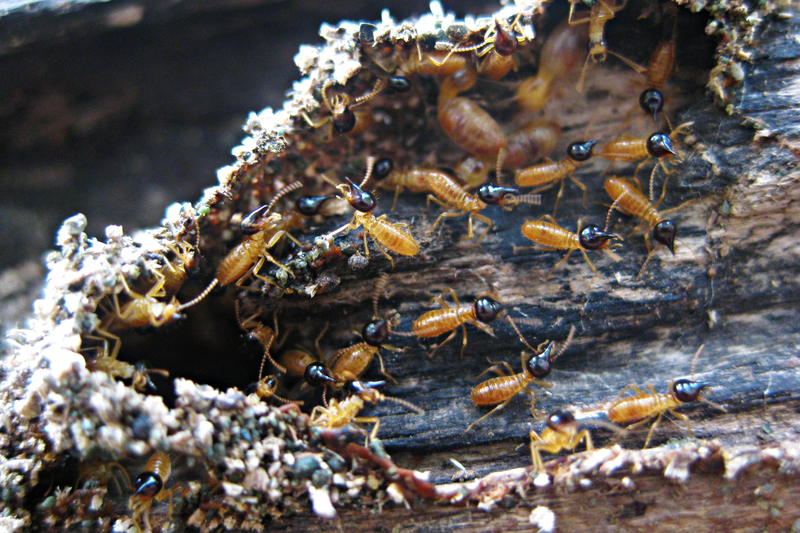
Signs of termites in brick veneer homes Sydney usually show up in the timber frame, wall cavities, skirting boards, architraves, slab edges and damp zones first, not in the bricks themselves. Look for mud tubes on brickwork, hollow sounding timber, bubbling paint, termite wings near windows, sagging skirting boards and moisture around weep holes.
Inspection from $220
Brick veneer home termite inspection
Same-day reports available
1. Introduction and first impressions
This guide is written for Sydney homeowners, buyers, landlords and property managers who want a plain-English answer to how to detect termites in a brick veneer home before structural timber damage gets worse.
Product context, adapted for a service guide
Instead of reviewing a gadget, this article reviews a real home problem: termite activity around brick veneer, especially hidden termite damage in timber framing, skirting boards, door frames and window frames.
EEAT / local expertise angle
The service, safety, inspection and treatment references here are aligned to the public Expel Pest Control Solutions termite and pest pages, with Sydney-focused terminology and 2026 topic support from Expel’s indexed termite content.
Sydney local intent
Mobile friendly layout
Simple readable theme
2. Product overview and specifications — what this termite guide covers
If you have ever asked what do termite signs look like in Sydney houses, this is the simple version. Brick veneer homes have a brick outer skin, but many still rely on internal timber framing. That means termites in brick houses usually target the wood structure, not the brick itself.
What’s “in the box” here?
- Early signs of termites
- Common termite hotspots in Sydney homes
- Termite entry through weep holes and slab edges
- When to book termite inspection Sydney
Key service specs
- Termite inspection from $220
- Thermal imaging scan
- Moisture detection
- Detailed written report
- Same-day reports available
Best fit audience
- Older homes in Sydney
- Homes with poor drainage or damp timber
- Buyers needing a timber pest report
- Owners comparing termite baiting vs barrier Sydney
Termite inspection Sydney starting point.
Typical public starting point shown for full termite barrier work.
3. Design and build quality — are brick veneer homes prone to termites?
Yes. A brick veneer home can still be termite-prone because the brick skin is only one layer. Behind it, there may be timber framing, insulation, wall cavity voids, damp pockets and concealed access points. Termites love moisture, shelter and timber. Brick does not feed them, but it can hide their path.
What makes brick veneer risky
- Termites in wall cavities can move unseen.
- Termite entry point risk rises near slab edges and cracks.
- Garden beds against walls can bridge inspection zones.
- Leaking gutters and poor drainage raise moisture and termite activity.
- Weep holes, service penetrations and concealed joins can hide access.
Common Sydney weak spots
- Live termites near slab edge
- Timber to ground contact
- Soft timber window frames
- Damaged door frames termites love to exploit
- Subfloor timber and damp storage zones
4. Performance analysis — signs of termites in brick veneer homes Sydney
Here is the practical checklist. These are the signs most people notice first when asking how to tell if you have termites in a brick veneer property.
4.1 Core sign 1: mud tubes on brick walls
Look for mud shelter tubes termite workers build to travel safely. You may see termite mud leads on brickwork, piers, slab edges or near weep holes.
4.1 Core sign 2: hollow sounding timber
Tap skirting boards, architraves, window trims and door frames. If the timber sounds hollow or papery, termites may have eaten the inside.
4.1 Core sign 3: paint and plaster changes
Bubbling paint termite damage, rippled surfaces, blistering patches and termite damage behind plaster can all point to hidden feeding.
4.2 Category: movement and shape
Sagging skirting boards, cracked architraves termites weaken from behind, doors that rub, and trim that no longer sits square.
4.2 Category: swarm evidence
Swarming termites around home, flying termites house Sydney events, or termite wings near windows after warm weather or rain can signal an active colony nearby.
4.2 Category: moisture pattern
Damp areas attracting termites include leaking gutters, poor drainage, under-sink leaks, wet slab edges and shaded garden beds against walls.
Practical risk scan for a brick veneer home
5. User experience — how to inspect a brick veneer home without making mistakes
A careful home walk-around helps, but do not break open walls or spray random products into suspected activity. A proper brick veneer home termite inspection is about spotting patterns, not guessing.
Setup and inspection process
- Walk the outside perimeter slowly.
- Check slab edge visibility and weep holes.
- Look for mud tubes on brick walls and near pipes.
- Go inside and tap timber trims.
- Check for soft timber, sagging skirting boards and paint bubbles.
- Look near wet areas: laundry, bathrooms, kitchens.
Daily usability of this checklist
Homeowners can do a basic monthly scan in 10 to 15 minutes. The learning curve is low. The hard part is that hidden termite damage can exist even when surfaces still look mostly normal.
My simple Sydney-style caution list
For buyers, this is where a pre-purchase termite inspection Sydney or timber pest report matters most.
6. Comparative analysis — termite barrier or bait stations Sydney?
Once termite signs Sydney owners notice are confirmed, the next question is usually treatment choice. The right method depends on access, activity, construction type, moisture issues and how exposed the slab edge or perimeter is.
| Option | Best use case | Strength | Watch-out |
|---|---|---|---|
| Chemical barrier | Homes where a continuous treated zone can be created around likely entry points | Strong for blocking concealed termite entry points and future movement | Access and property layout matter; older homes and hardscape can change scope |
| Baiting system | Where colony interception and monitoring is the main goal | Useful for active termite colony pressure and ongoing checks | Needs monitoring and a proper management plan |
| Inspection + targeted treatment | When signs are present but full scope still needs mapping | Good first step for uncertain wall cavity termite attack cases | Not a substitute for long-term prevention if entry conditions remain |
7. Pros and cons — what happens if you act now vs wait
What we love about early action
- Better chance of catching termites in wall cavities before visible structural timber damage grows
- Annual termite inspection Sydney plans are usually far cheaper than timber repairs
- You get clarity on termite control methods, moisture issues and entry points
- Useful for buyers worried about old termite damage buying Sydney scenarios
Areas for improvement if you delay
- Damage can spread behind plaster and trims
- Termite damage around windows and doors can get expensive fast
- Surface signs may stay subtle while inner framing worsens
- DIY assumptions can hide the real extent of attack
8. Evolution and updates — 2026 notes for Sydney termite owners
The 2026 content trend on Expel’s indexed termite topics points in one clear direction: more owners are searching for practical decision help, not just panic answers. The recurring themes are inspection timing, pre-purchase reliability, visible signs, treatment status checks and choosing between barrier and baiting.
What changed
More plain-language guidance for inspection timing, active-vs-old damage concerns and pre-purchase decision support.
Support expectation
Same-day reports available and a strong push toward clear written findings, moisture checks and treatment recommendations.
Future-proof move
For older homes, damp blocks and prior activity sites, 6 to 12 month check cycles make more sense than waiting for visible damage.
9. Purchase recommendations, adapted — what to do next
Best for
Owners of brick veneer homes, terrace house termite treatment Sydney cases, older homes, damp sites, and buyers needing quick clarity before settlement.
Skip waiting if
You already see mud tubes, wing piles, hollow timber, moisture around slab edges, or termite warning signs around house exterior.
Alternatives to consider
If your concern is not termites but broader household risk, start with Pest Control Sydney or Residential Pest Control Sydney.
My practical recommendation
If you are asking where do termites enter brick veneer homes, you already have enough reason to inspect. Book a professional termite inspection for brick veneer homes when any of these appear:
- mud tubes on brick walls
- hollow sounding timber
- bubbling paint termite damage
- termite wings near windows
- termite droppings in house or unexplained dust-like debris
- damp timber, poor drainage or leaking gutters near the same wall line
10. Where to buy, adapted — where to book termite help in Sydney
Because this page is built around one provider only, the cleanest path is to book direct with Expel Pest Control Solutions.
Best direct booking path
This section intentionally avoids mentioning any other business names to match your brief.
11. Final verdict
9.4 / 10
If you suspect termite signs in a brick veneer home, speed matters more than perfection. The earlier you confirm what is active, the more choices you usually keep.
Bottom line
Brick veneer homes in Sydney can absolutely get termites. The smartest move is to treat bubbling paint, hollow timber, mud tubes, wing piles, damp slab edges and soft trims as warning signals, then book a proper inspection.
12. Evidence and proof
This article is structured to support Google Discover style engagement with visuals, scannable sections, practical examples and direct action paths.
2026 proof notes
- 2026 indexed Expel posts cover pre-purchase reliability, signs of termites, treatment cost and treatment-status questions.
- Expel’s public pest page shows termite inspection from $220 and barriers from $2,500.
- Public 2026 review-style excerpts surfaced in Expel’s indexed content footprint.
Frequently asked questions
Can termites get through brick veneer?
They do not eat the brick. They usually travel around it, under it, through cracks, joints, slab edges, weep holes and concealed access points to reach timber framing.
What are the first signs of termites in a Sydney brick veneer home?
Common first signs include mud tubes on brick walls, hollow timber, bubbling paint, sagging skirting boards, wing piles near windows and moisture around likely entry areas.
How often should I book annual termite inspection Sydney service?
A 12-month cycle is the baseline many homes follow. Higher-risk homes, older homes or properties with past termite activity may need checks about every 6 months.
What is checked in a termite inspection?
A standard termite inspection what checked Sydney answer usually includes a visual assessment, thermal imaging, moisture detection, identification of conducive conditions, and written recommendations.
How much is termite control service in Sydney?
Scope varies by property and treatment. Public Expel pricing shows termite inspection from $220, while barrier work can start from around $2,500 depending on access and size.
Do termites get worse after rain in Sydney?
Warm, wet periods can increase visibility and moisture-related risk. Many owners search for termites after rain Sydney because damp conditions make conducive zones more obvious.